• course Info
  • Content
  • Ce Approvals

Top 10 Essentials for Assessing and Treating Suicidal Clients

CE Hours 2 Clinical

About this course

This two-hour, skills-focused training highlights the ten most essential clinical techniques for assessing and treating suicidal ideation. Drawing from evidence-based approaches in CBT and DBT, participants will gain practical, session-ready strategies they can immediately integrate into their work with high-risk clients. The training emphasizes rapid risk assessment, insight-building conversations, and developmentally appropriate safety planning. Additional focus is placed on brief interventions, documentation practices that support both clinical care and liability protection, and strategies for effective caregiver involvement. Clinicians will learn how to respond skillfully to both acute crises and ongoing risk, while also learning self-care practices that support sustained work with high-risk clients.

This training satisfies the 2-hour suicide prevention continuing education requirement.

Slide deck and numerous training resources are included. 


Please note: participants will be watching a recorded video.


Learning Objectives

  • Describe brief CBT and DBT interventions that support stabilization and decrease suicidal urges.
  • Create collaborative and developmentally-appropriate safety plans.
  • Explain how to engage caregivers in monitoring, safety planning, and reinforcing coping skills between sessions.

Learning Levels

  • Beginner and Intermediate, all levels welcome

Target Audience

All mental health professionals welcome.

Course Instructor(s)

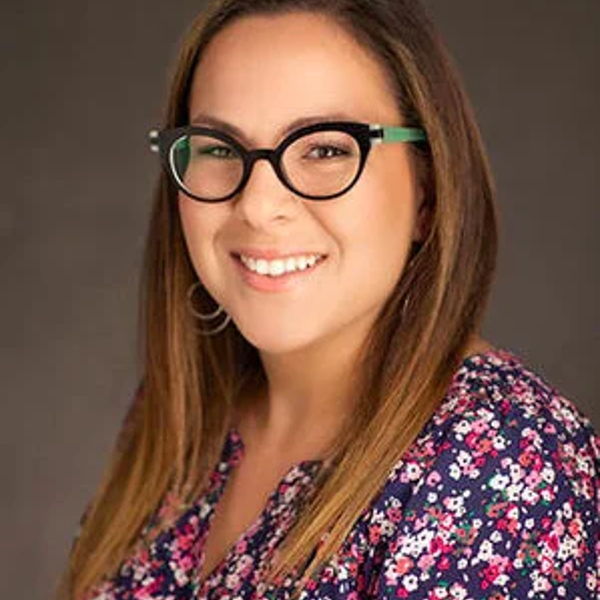
  • Jaimee M. Arnoff, Ph.D.

    Jaimee Arnoff, Ph.D., is a licensed clinical psychologist and co-owner of BFF Therapy in Beacon, NY, specializing in adolescents and young adults navigating complex and high-risk clinical presentations. With expertise in mood and anxiety disorders, suicidal ideation, and self-injury, she brings over a decade of experience across outpatient, residential, and private practice settings. Known for her grounded, accessible teaching style, Dr. Arnoff helps clinicians confidently adapt and implement evidence-based skills to stabilize clients and strengthen emotional and behavioral regulation. A frequent speaker, trainer, and podcast guest, she is dedicated to equipping clinicians with tools that foster safety, agency, and resilience.

Disclosure

EngagedMinds Continuing Education, Erena DiGonis, and planners have no financial disclosures or commercial bias or promote commercial interests during CE activities.

References

  • Ammerman, B. A., Burke, T. A., Jacobucci, R., & McCloskey, M. S. (2020). Dialectical behavior therapy skills use and emotion regulation in daily life among individuals with suicidal ideation. Journal of Psychiatric Research, 128, 58–65.
  • Cáceda, R., Carbajal, J. M., Salomon, R. M., Moore, J. E., Perlman, G., Padala, P. R., Hasan, A., & Delgado, P. L. (2020). Slower perception of time in depressed and suicidal patients. European Neuropsychopharmacology, 40, 4–16.
  • Carneiro, B. D., Pozza, D. H., Costa-Pereira, J. T., & Tavares, I. (2025). Mindfulness in Mental Health and Psychiatric Disorders of Children and Adolescents: A Systematic Review and Meta-Analysis of Randomized Controlled Trials. Pediatric reports, 17(3), 59. https://doi.org/10.3390/pediatric17030059
  • Chayadi, E., Baes, N., & Kiropoulos, L. (2022). The effects of mindfulness-based interventions on symptoms of depression, anxiety, and cancer-related fatigue in oncology patients: A systematic review and meta-analysis. PloS one, 17(7), e0269519. https://doi.org/10.1371/journal.pone.0269519
  • Deisenhammer, E.A., Ing, C.M., Strauss, R., Kemmler, G., Hinterhuber, H. & Weiss, E.M. (2009). The duration of the suicidal process: How much time is left for intervention between consideration and accomplishment of a suicide attempt? J Clin Psychiatry, 70(1),19-24.
  • Fang, A., Liu, Q., Lee, K. H., Berenson, K., & Leibenluft, E. (2024). Dialectical behavior therapy for adolescents with emotion dysregulation: A systematic review and meta-analysis. Journal of Affective Disorders, 352, 145–158.
  • Gipson, P. Y., & Goldston, D. B. (2024). Family factors influencing adolescent suicidal ideation: A developmental review. Clinical Child and Family Psychology Review, 27(2), 123–146.
  • Glenn, C. R., & Nock, M. K. (2021). Improving the prediction of suicidal behavior in youth. Journal of Clinical Child & Adolescent Psychology, 50(1), 1–15.
  • Linehan, M. and Wilks, C. (2015). The Course and Evolution of Dialectical Behavior Therapy. The American Journal of Psychotherapy. 69(2), 97-110.
  • Linehan, M. M. (2015). DBT® Skills Training Handouts and Worksheets (2nd ed.). The Guilford Press.
  • Miller, A. B., & Prinstein, M. J. (2024). Interpersonal theory of suicide in adolescence: Clinical implications and applications. Clinical Psychology: Science and Practice, 31(1), e12499.
  • O’Toole, M. S., Renneberg, B., & Schmidt, T. T. (2021). Mechanisms of change in dialectical behavior therapy: A systematic review of key mediators. Clinical Psychology Review, 87, 102033.
  • Rizvi, S. L., Bitran, A. M., Oshin, L. A., Yin, Q., & Ruork, A. K. (2024). The State of the Science: Dialectical Behavior Therapy. Behavior therapy, 55(6), 1233–1248. https://doi.org/10.1016/j.beth.2024.02.006
  • Saffer, B. Y., Glenn, C. R., & Cha, C. B. (2025). Revisiting the ideation-to-action framework: New insights into the transition from suicidal thinking to behavior. Current Opinion in Psychology, 57, 101750.
CE Process Info

Content

  • Materials
    7 parts
    • Training Video
    • Slide Deck
    • Safety Plan Template
    • Evidence-Based Treatment Approaches Handout
    • NIMH Toolkit: Suicide Risk Screening Tool for youth and adults
    • NIMH Toolkit: Brief Suicide Safety Assessment
    • Audio Only
  • New York State Education Department's State Board for SW (NYSED SW)

    EngagedMinds Continuing Education is recognized by the New York State Education Department's State Board for Social Work as an approved provider of continuing education for licensed social workers #SW-0676.

  • Association of Social Work Boards (ASWB)

    EngagedMinds Continuing Education, #1858, formerly Erena DiGonis, LCSW, PLLC, is approved as an ACE provider to offer social work continuing education by the Association of Social Work Boards (ASWB) Approved Continuing Education (ACE) program. Regulatory boards are the final authority on courses accepted for continuing education credit. ACE provider approval period: 8/25/2024-8/25/2027. Social workers completing this course receive 2 continuing education credits.

  • National Board for Certified Counselors (NBCC)

    EngagedMinds Continuing Education has been approved by NBCC as an Approved Continuing Education Provider, ACEP No. 7455. Programs that do not qualify for NBCC credit are clearly identified. EngagedMinds Continuing Education is solely responsible for all aspects of the programs.

  • New York State Education Department's State Board for LMHC (NYSED LMHC)

    EngagedMinds Continuing Education is recognized by the New York State Education Department's State Board for Mental Health Practitioners as an approved provider of continuing education for licensed mental health counselors. #MHC-0284.

  • New York State Education Department's State Board for Mental Health Practitioners (NYSED LMFT)

    EngagedMinds Continuing Education is recognized by the New York State Education Department's State Board for Mental Health Practitioners as an approved provider of continuing education for licensed marriage and family therapists #MFT-0117.

  • New York State Education Department's State Board for Psychology (NYSED PSY)

    Erena DiGonis, LCSW, PLLC is recognized by the New York State Education Department's State Board for Psychology as an approved provider of continuing education for licensed psychologists #PSY-0270.

  • California Association of Marriage and Family Therapists (CAMFT)

    EngagedMinds Continuing Education is hereby recognized as a CAMFT-approved Continuing Education Provider. Provider number: 1032895

Top 10 Essentials for Assessing and Treating Suicidal Clients
You Have Completed This course
$45
You are enrolled
  • CE Hours
    2
  • Type
    Self-Paced
  • Publication Date
    May 20th, 2026

Reset password


Reset your password by providing your email below


Next

We sent a reset password link to the email address you provided.


{{reset.email}}


If you do not see the email, try checking your junk or spam folder.


If you don't receive a link in the email you provided, please click the button below to resend the verification email.

Resend

Please wait {{timer}} seconds to resend


Next

Sign in


Enter your email to get started.


Next

Sign in


Good news! Your email is associated with an account. Enter your password or click here to reset it


Login

Thanks for signing up!


We sent an verification email to the address you provided. Please check your email to verify your email address.


{{signup.email}}


If you do not see the email, try checking your junk or spam folder.


If you don't receive a link in the email you provided, please click the button below to resend the verification email.


Resend

Please wait {{timer}} seconds to resend

Sign up


Sign up

Shopping Cart


Items
Price
Remove
  • {{ item.name }} ({{ item.courses.length }} courses)

    {{ item.credit_hours }} Credits
    {{ item.coupons.map((c)=> c.code).join(', ') }}
    ${{ item.totals.price }}
    ${{ item.totals.total_price }}
Apply


Cart is empty

Thank you for your purchase


To access the course content, click the button below. Enrolled courses may be accessed at any time by going to your Account and clicking Courses


Go to Course

Thank you for your purchase

To access your courses, please click the button below. Enrolled courses may be accessed at any time by going to your Account and clicking either Events or Courses


My Account

Payment

{{$store.state.payment.paymentErrorMessage }}
Pay now