• course Info
  • Content
  • Ce Approvals

Narcissism & Antagonistic Relationships: Understanding the Patterns, Impact & Path to Recovery

CE Hours 1.5 1.5 Clinical

About this course

Narcissism and antagonistic relationship patterns can leave individuals feeling confused, emotionally depleted, and questioning their own perceptions and experiences. While conversations about narcissism have become increasingly common, the term is often used broadly, making it important to distinguish between narcissistic traits, Narcissistic Personality Disorder, antagonistic behaviors, and harmful relationship dynamics.

This self-study training features an expert panel discussion exploring narcissism and antagonistic relationships through a trauma-informed and clinically grounded lens. Participants will learn to recognize common relational patterns, including manipulation, chronic invalidation, blame-shifting, gaslighting, coercive dynamics, and other behaviors that may contribute to emotional and psychological harm.

Through expert discussion, clinical examples, and practical applications, participants will examine the potential impact of these relationships on self-trust, emotional well-being, attachment, boundaries, and the nervous system. The training also explores strategies that can support greater clarity, safety, agency, and recovery.

Designed for mental health professionals and community members alike, this training emphasizes understanding patterns and their impact rather than labeling or diagnosing individuals. Participants will gain a more nuanced understanding of narcissism and antagonistic relationships, along with practical tools for recognizing relational harm and supporting the recovery process.

This program was originally presented as a benefit workshop, with 100% of proceeds donated to the CPTSD Foundation to support its mission and work within the trauma community. The CPTSD Foundation provides trauma-informed peer support between therapy appointments, seven days a week, 365 days a year.

Numerous training resources are included. 

Please note: participants will be watching a recorded video.

Learning Objectives

  • Differentiate narcissistic traits, Narcissistic Personality Disorder, and antagonistic relational patterns.
  • Describe at least three potential psychological and relational impacts of narcissistic and antagonistic relationships, including effects on self-trust, emotional regulation, attachment, and well-being.
  • Identify at least three trauma-informed strategies that can support safety, boundaries, agency, and recovery for individuals impacted by narcissistic and antagonistic relationships.

Learning Levels

  • Beginner, all levels are welcomed

Target Audience

All mental health professionals and community members are welcome!

Course Instructor(s)

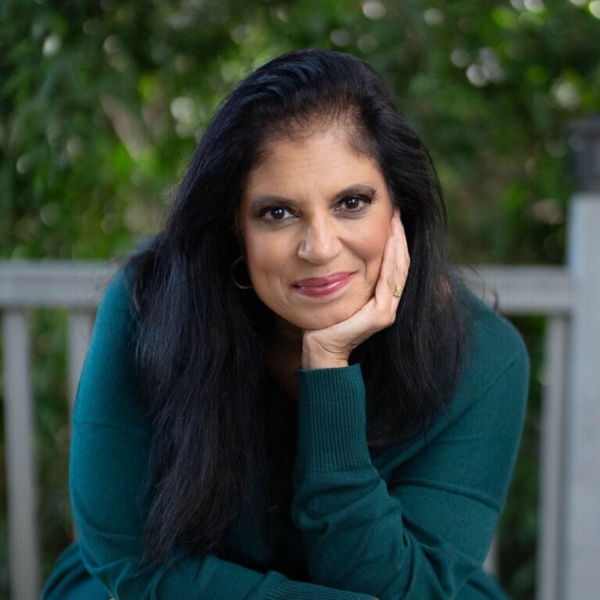
  • Ramani Durvasula, Ph.D

    Ramani Durvasula, Ph.D. is a psychologist in California, the founder and CEO of LUNA Education, Training and Consulting, and professor emerita of psychology at California State University Los Angeles. She is the New York Times Bestselling Author of It’s Not You: Identifying and Healing from Narcissistic People. She is also the author of multiple other books including “Don’t You Know Who I Am”: How to Stay Sane in the Era of Narcissism, Entitlement and Incivility and Should I Stay or Should I Go: Surviving a Relationship With a Narcissist. She has lectured and trained therapists around the world on best practices on working with clients experiencing narcissistic abuse and has developed a 36 hour virtual training and certification program in conjunction with PESI to train clinicians on how to use an Antagonism-Informed approach with clients experiencing narcissistic relationships. Dr. Durvasula hosts a popular YouTube channel with over 2 million subscribers, maintains a program offering support and education to thousands of survivors, and is a featured expert on the digital media platform MedCircle. She also maintains an engaged online network called the Dr. Ramani Network. She has also been widely involved in the governance of the American Psychological Association, including the APA Leadership Institute for Women in Psychology and the APA Minority Fellowship Program. Dr. Durvasula received her M.A., and Ph.D. degrees in clinical psychology from UCLA, and completed her internship and post-doctoral training at the UCLA Department of Psychiatry. She completed her Bachelor of Science Degree in Psychology, with a minor in sociology in 1988 at the University of Connecticut. She resides in Los Angeles, CA.

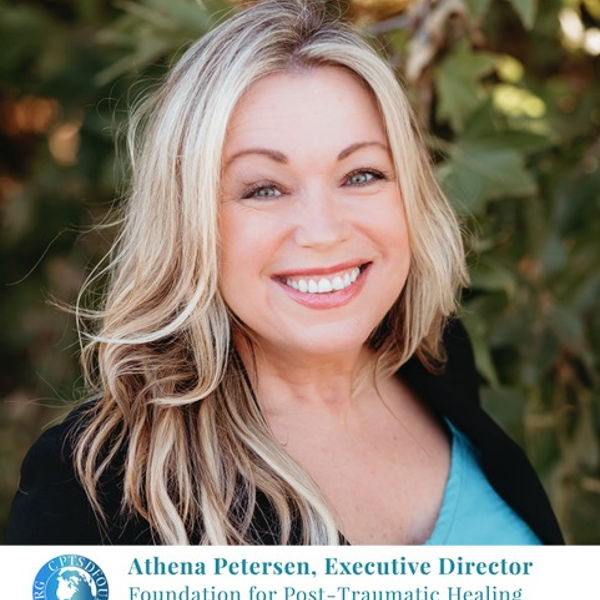
  • Athena Petersen

    Athena Petersen is the Executive Director of the CPTSD Foundation and a global advocate for complex trauma awareness, education, and recovery. Through the Foundation’s virtual programs and resources, Athena and her team provide ongoing support to trauma survivors in more than 180 countries, offering community-based resources designed to complement individual therapeutic care.

    Athena is deeply committed to creating spaces where survivors feel seen, heard, respected, and valued. Her work emphasizes compassionate, accessible, and validating support while fostering connection and community for individuals navigating the impact of complex trauma.

Disclosure

EngagedMinds Continuing Education, Erena DiGonis, and planners have no financial disclosures or commercial bias or promote commercial interests during CE activities.

References

  • American Psychiatric Association. (2022). Diagnostic and statistical manual of mental disorders (5th ed., text rev.; DSM-5-TR). American Psychiatric Association Publishing.
  • Baggio, S., Iglesias, K., Duarte, M., Nicastro, R., Hasler, R., Euler, S., Debbané, M., Starcevic, V., & Perroud, N. (2022). Validation of self-report measures of narcissism against a diagnostic interview. PloS one, 17(4), e0266540. https://doi.org/10.1371/journal.pone.0266540
  • Besser, A., & Zeigler-Hill, V. (2026). Recognition and Resistance in Early Psychotherapeutic Encounters: Therapist Response Style, Narcissistic Admiration and Rivalry, and Public Mental Health Engagement. International journal of environmental research and public health, 23(7), 876. https://doi.org/10.3390/ijerph23070876
  • Campbell, W. K., & Miller, J. D. (Eds.). (2011). The handbook of narcissism and narcissistic personality disorder: Theoretical approaches, empirical findings, and treatments. John Wiley & Sons.
  • Dana D. & Porges S. W. (2020). Polyvagal exercises for safety and connection: 50 client-centered practices (First). W.W. Norton & Company.
  • Day, N. J. S., Townsend, M. L., & Grenyer, B. F. S. (2022). Pathological narcissism: An analysis of interpersonal dysfunction within intimate relationships. Personality and Mental Health, 16(3), 204–216. https://doi.org/10.1002/pmh.1532
  • Day, N. J. S., Townsend, M. L., & Grenyer, B. F. S. (2020). Living with pathological narcissism: A qualitative study. Borderline Personality Disorder and Emotion Dysregulation, 7, Article 19. https://doi.org/10.1186/s40479-020-00132-8
  • Durpoix, A., Blay, M., Moog, C., Rolling, J., Weiner, L., Lalanne, L., & Weibel, S. (2026). Clarifying conceptualization of emotional dysregulation: Differences with emotional lability during 4-month DBT skills training - A naturalistic study. Journal of affective disorders, 392, 120199. https://doi.org/10.1016/j.jad.2025.120199
  • Durvasula, R. (2024). It’s not you: Identifying and healing from narcissistic people. The Open Field/Penguin Life.
  • Fan, Y. C., & Wei, L. C. (2026). Before Targeting Narcissistic Traits in Youth With Attention-Deficit/Hyperactivity Disorder: A Developmental Aggression Assessment. International journal of developmental neuroscience : the official journal of the International Society for Developmental Neuroscience, 86(5), e70165. https://doi.org/10.1002/jdn.70165
  • Gu, X., Luo, W., Zhao, X., Chen, Y., Zheng, Y., Zhou, J., Zeng, X., Yan, L., Chen, Y., Zhang, X., Lv, J., Lang, Y., Wang, Z., Gao, C., Jiang, Y., & Li, R. (2022). The effects of loving-kindness and compassion meditation on life satisfaction: A systematic review and meta-analysis. Applied psychology. Health and well-being, 14(3), 1081–1101.
  • Mercadante, E. J., & Tracy, J. L. (2026). Needing others to know you're good: Narcissists' pride in success is contingent on peer reactions. Journal of experimental psychology. General, 10.1037/xge0001974. Advance online publication. https://doi.org/10.1037/xge0001974
  • Minnick, A. M., Cachelin, F. M., & Durvasula, R. S. (2017). Personality Disorders and Psychological Functioning Among Latina Women with Eating Disorders. Behavioral medicine (Washington, D.C.), 43(3), 200–207. https://doi.org/10.1080/08964289.2016.1276429
  • Montanari, A., Wang, L., Birenboim, A., & Chaix, B. (2024). Urban environment influences on stress, autonomic reactivity and circadian rhythm: protocol for an ambulatory study of mental health and sleep. Frontiers in public health, 12, 1175109. https://doi.org/10.3389/fpubh.2024.1175109
  • Porges S. W. (2022). Polyvagal Theory: A Science of Safety. Frontiers in integrative neuroscience, 16, 871227. https://doi.org/10.3389/fnint.2022.871227
  • Ronningstam, E. (2016). Pathological narcissism and narcissistic personality disorder: Recent research and clinical implications. Current Behavioral Neuroscience Reports, 3, 34–42.
  • Soliman, O. M., Messer, M., Skvarc, D., Moffitt, R. L., & Linardon, J. (2025). Exploring the role of mindfulness, emotion regulation, and distress tolerance during delivery of a Dialectical Behaviour Therapy app for recurrent binge eating. Eating disorders, 1–23. Advance online publication. https://doi.org/10.1080/10640266.2025.2602455
CE Process Info

Content

  • Materials
    9 parts
    • Narcissistic Personality Disorder DSM 5 TR
    • Article: Validation of self-report measures of narcissism against a diagnostic interview
    • Blank Bingo Template
    • Narcissistic Personality Disorder DSM 5 TR Part 2
    • Academic Wheel of Privilege
    • Types of Narcissists
    • Signs You May Be Being Gaslighted
    • Gray Rock & Yellow Rock Strategies
    • Narcissism and Its Discontents | Dr. Ramani Durvasula | TEDxSedona
  • Recordings
    2 parts
    • Shared Screen With Speaker View(CC)
    • Audio Only
  • New York State Education Department's State Board for SW (NYSED SW)

    EngagedMinds Continuing Education is recognized by the New York State Education Department's State Board for Social Work as an approved provider of continuing education for licensed social workers #SW-0676.

  • Association of Social Work Boards (ASWB)

    EngagedMinds Continuing Education, #1858, formerly Erena DiGonis, LCSW, PLLC, is approved as an ACE provider to offer social work continuing education by the Association of Social Work Boards (ASWB) Approved Continuing Education (ACE) program. Regulatory boards are the final authority on courses accepted for continuing education credit. ACE provider approval period: 8/25/2024-8/25/2027. Social workers completing this course receive 1.5 continuing education credits.

  • National Board for Certified Counselors (NBCC)

    EngagedMinds Continuing Education has been approved by NBCC as an Approved Continuing Education Provider, ACEP No. 7455. Programs that do not qualify for NBCC credit are clearly identified. EngagedMinds Continuing Education is solely responsible for all aspects of the programs.

  • New York State Education Department's State Board for LMHC (NYSED LMHC)

    EngagedMinds Continuing Education is recognized by the New York State Education Department's State Board for Mental Health Practitioners as an approved provider of continuing education for licensed mental health counselors. #MHC-0284.

  • New York State Education Department's State Board for Mental Health Practitioners (NYSED LMFT)

    EngagedMinds Continuing Education is recognized by the New York State Education Department's State Board for Mental Health Practitioners as an approved provider of continuing education for licensed marriage and family therapists #MFT-0117.

  • New York State Education Department's State Board for Psychology (NYSED PSY)

    Erena DiGonis, LCSW, PLLC is recognized by the New York State Education Department's State Board for Psychology as an approved provider of continuing education for licensed psychologists #PSY-0270.

  • California Association of Marriage and Family Therapists (CAMFT)

    EngagedMinds Continuing Education is hereby recognized as a CAMFT-approved Continuing Education Provider. Provider number: 1032895

Narcissism & Antagonistic Relationships: Understanding the Patterns, Impact & Path to Recovery
You Have Completed This course
$67
You are enrolled
  • CE Hours
    1.5
  • Type
    Self-Paced
  • Publication Date
    Sep 20th, 2026

Reset password


Reset your password by providing your email below


Next

We sent a reset password link to the email address you provided.


{{reset.email}}


If you do not see the email, try checking your junk or spam folder.


If you don't receive a link in the email you provided, please click the button below to resend the verification email.

Resend

Please wait {{timer}} seconds to resend


Next

Sign in


Enter your email to get started.


Next

Sign in


Good news! Your email is associated with an account. Enter your password or click here to reset it


Login

Thanks for signing up!


We sent an verification email to the address you provided. Please check your email to verify your email address.


{{signup.email}}


If you do not see the email, try checking your junk or spam folder.


If you don't receive a link in the email you provided, please click the button below to resend the verification email.


Resend

Please wait {{timer}} seconds to resend

Sign up


Sign up

Shopping Cart


Items
Price
Remove
  • {{ item.name }} ({{ item.courses.length }} courses)

    {{ item.credit_hours }} Credits
    {{ item.coupons.map((c)=> c.code).join(', ') }} Membership discount (-${{ item.membership_discount.amount }})
    ${{ item.totals.price }}
    ${{ item.totals.total_price }}
Apply


Cart is empty

Thank you for your purchase


To access the course content, click the button below. Enrolled courses may be accessed at any time by going to your Account and clicking Courses


Go to Course

Thank you for your purchase

To access your courses, please click the button below. Enrolled courses may be accessed at any time by going to your Account and clicking either Events or Courses


My Account

Payment

{{$store.state.payment.paymentErrorMessage }}
Pay now